


-

Add: HeBei ShengShi HongBang Cellulose Technology CO.,LTD.
-

Email
13180486930@163.com -

CONTACT US
+86 13180486930


We are a professional manufacturer of HPMC, and we located in Hebei Province Xinji provincial clean chemical Industry Park, in the Beijing Tianjin Hebei metropolitan area. The park is 250 kilometers away from Beijing and Tianjin, 250 kilometers away from the Capital Airport and Tianjin Airport, 100 kilometers away from Shijiazhuang Zhengding Airport, and 250 kilometers away from Tianjin Port; The Shihuang Expressway, National Highway 307, Provincial Hengjing Line, Shide Railway, and Shiqing High speed Railway pass through Xinji, with convenient transportation and unique location advantages for economic development relying on the central city, airport, and seaport. It is a key cultivated enterprise in Xinji City, covering an area of more than 80 acres, with 200 employees and 11 senior technical personnel. Our factory adopts the German horizontal kettle "one-step production process", with a 100% product quality rate to meet different customer needs. The daily production capacity has now reached 80-100 tons. Our company has more than 20 years of experience in cellulose production and sales, and has exported to more than 30 countries and regions, highly praised and trusted by users both domestically and internationally.
- 40000tons

Production
- 20+years

Experience
- 5000+㎡

Acreage

-
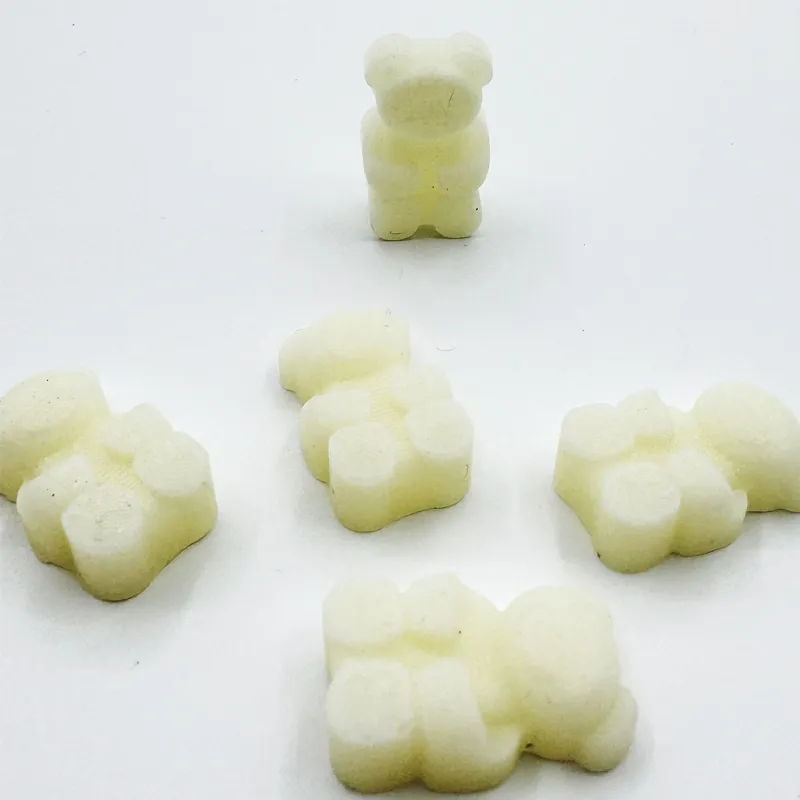
Understanding Wood Composition Cellulose, Hemicellulose, and Lignin Wood is a remarkable natural material that has been utilized by humans for thousands of years, primarily due to its mechanical properties and abundance. Its structure is complex, consisting predominantly of three main biopolymers cellulose, hemicellulose, and lignin. Each of these components plays a critical role in the characteristics and functionalities of wood, making them essential to understand for applications in construction, paper production, biofuels, and more. Cellulose The Backbone of Wood Cellulose is the most abundant organic polymer on Earth and constitutes a significant portion of wood, accounting for about 40-50% of its dry weight. Structurally, cellulose is a linear chain of glucose molecules linked by β-1,4-glycosidic bonds, forming long, strong fibers that provide tensile strength and rigidity to the wood. This strength is crucial for trees, allowing them to grow tall and withstand various environmental stresses. The molecular structure of cellulose enables it to form hydrogen bonds with adjacent cellulose chains, resulting in a crystalline structure that contributes to the hardness and mechanical strength of wood. This feature is why cellulose is extensively used in the paper industry, as it can be processed into high-strength paper products. Furthermore, the properties of cellulose allow for its use in producing renewable materials like bioplastics and composites, aligning with the global trend toward sustainability. Hemicellulose The Support Structure Hemicellulose constitutes about 15-35% of wood's composition. Unlike cellulose, hemicellulose is not a single polymer but a group of heterogeneous polysaccharides with various sugar monomers, including xylose, mannose, and galactose . Hemicellulose is branched, making it less crystalline and more soluble in water compared to cellulose. This structural variance gives hemicellulose significant functional roles in wood. wood composition cellulose hemicellulose lignin Hemicellulose serves as a support structure that complements cellulose, filling the spaces between cellulose fibers and enhancing the overall integrity of the wood. It also plays a crucial role in the binding of cellulose fibers together, contributing to the wood's elasticity and flexibility. In addition, hemicellulose is important during the pulping process in paper manufacturing, as it can be partially removed to improve the quality of the final product. Lignin The Reinforcement Lignin is the most complex and largest component of the wood structure, accounting for about 20-30% of its weight. It is a polyphenolic compound that serves to waterproof and harden the cell walls of wood, contributing to its rigidity and resistance to decay. The unique structure of lignin, which is irregular and highly cross-linked, helps to bind cellulose and hemicellulose together, further reinforcing the wood’s mechanical properties. Lignin’s ability to protect the wood from microbial attack and its role in the water transport system of trees make it vital for plant health and growth. Furthermore, lignin is gaining attention in biorefinery processes as a potential renewable resource for producing biofuels, chemicals, and even biodegradable polymers. Its abundant presence in lignocellulosic biomass makes it a key player in advancing sustainable materials and energy solutions. Conclusion In summary, the wood composition of cellulose, hemicellulose, and lignin plays a pivotal role in defining the material’s physical and chemical properties. Understanding these components not only deepens our appreciation of wood as a natural resource but also opens the door to innovative applications in various industries. As we continue to seek sustainable alternatives to synthetic materials, the insights gained from the study of wood composition will undoubtedly shape the future of material science and environmental stewardship.
-
Rubber powder, often identified by its industry code as Rubber Powder-821, is garnering attention for its versatile applications across various domains. Derived from recycled rubber products, primarily tires, this fine powder is transforming industries with its multifunctional properties. A noteworthy application of Rubber Powder-821 is in the realm of construction and building materials. Incorporating rubber powder into concrete mixes enhances the durability and flexibility of the material, which is particularly beneficial in regions prone to seismic activity. Concrete treated with rubber powder exhibits superior resistance to cracking and structural degradation, offering a sustainable solution to urban infrastructure demands. In the automotive industry, Rubber Powder-821 serves as a cost-effective additive in tire manufacturing. Its inclusion in new tire formulations results in improved traction and longevity, contributing to increased road safety and reduced maintenance costs for vehicle owners. The enhanced grip from rubber powder-enriched tires is especially advantageous in adverse weather conditions, providing a safer driving experience. The sports and leisure sectors also benefit significantly from Rubber Powder-821. Athletic tracks and playground surfaces fortified with rubber powder deliver increased shock absorption, reducing the risk of injury for athletes and children. These surfaces mimic the natural elasticity needed for diverse sports activities, thus optimizing performance while prioritizing safety. Moreover, the innovative use of Rubber Powder-821 in soundproofing solutions is gaining traction. This material is an excellent insulator of sound, making it indispensable in the construction of residential and commercial buildings requiring noise reduction. Walls and flooring integrated with rubber powder show remarkable noise-dampening capabilities, enhancing the overall acoustic environment for occupants. rubber powder-821 uses In the realm of manufacturing consumer goods, Rubber Powder-821 is proving invaluable. It’s used in the production of items such as floor mats, conveyer belts, and even footwear. The flexibility and wear resistance imparted by the powder increase the product lifespan, which is an appealing trait for manufacturers aiming to deliver high-quality and sustainable goods. Another emerging field where Rubber Powder-821 is making strides is in the development of eco-friendly products. As companies continue to seek greener alternatives, the inclusion of recycled rubber in everyday products meets both durability and sustainability criteria. The ability to repurpose rubber that would otherwise contribute to landfill waste aligns perfectly with global environmental initiatives aimed at reducing ecological footprints. Agriculture is also set to benefit from this resourceful material. The water retention properties of Rubber Powder-821, when mixed with soil, help in drought-prone areas, offering a lifeline to crops by maintaining soil moisture levels. This application not only supports plant growth but also aids in reducing water consumption, thus promoting sustainable farming practices. Rubber powder’s role extends into artistic endeavors as well . Artists and designers are increasingly exploring this material for its textural properties and eco-friendly aspect. From installations to tactile artwork, Rubber Powder-821 is contributing to a new wave of sustainable art, providing an innovative medium for creative expression. The multi-faceted applications of Rubber Powder-821 are a testament to its transformative impact across industries. Its adaptability and efficiency highlight its potential to drive innovation while supporting sustainable practices. As more sectors recognize the benefits, the demand and application for Rubber Powder-821 are poised to expand, cementing its status as an indispensable component in future-forward projects.

advantages
-

200000 Viscosities
Excellent product
We can produce pure products up to 200,000 viscosities
-

40000 tons
High yield
We don’t stop production all year round, and the annual output can reach 40,000 tons
-

24 hours
Quality service
We provide 24-hours online reception service, welcome to consult at any time
———— Inquiry Form
Schedule A services


-
 Starch Ether: High Retention, Smooth Troweling, Low Dosage
Oct . 25, 2025
Starch ether boosts water retention, workability, open time, and anti-sag at low dosage. Ideal for dry mortar, tile adhesive, plaster, skim coat. Stable quality, competitive price. Get a quote now. -
 Wood Cellulose: Renewable, High-Purity Fiber Solutions
Oct . 25, 2025
Renewable, high-purity wood cellulose offers strength, consistency, and biodegradability. Ideal for packaging, textiles, bioplastics, filtration, and composites. Contact us for samples and pricing. -
 Redispersible Emulsion Powder: High Adhesion & Flex
Oct . 24, 2025
Redispersible emulsion powder boosts adhesion, flexibility, water resistance, and workability. Ideal for tile adhesives, EIFS, mortars, self-leveling, grouts. Request a sample and quote today.


